DIY natural skincare recipes have become a practical choice for people who want more control over what they apply to their skin and how those products are made. Whether you’re trying to avoid unnecessary additives, customize products to your skin type, or simply enjoy making things yourself, learning how to create skincare at home can be both empowering and rewarding.
This guide brings together everything you need to know to get started with homemade skincare products. It’s designed for complete beginners while still offering structure and direction for those who already have some experience. Instead of isolated recipes, this page acts as a central reference point for understanding categories, techniques, and best practices across DIY skincare.
With more than 180 in-depth articles in our Skincare category, this guide helps you navigate them with purpose.
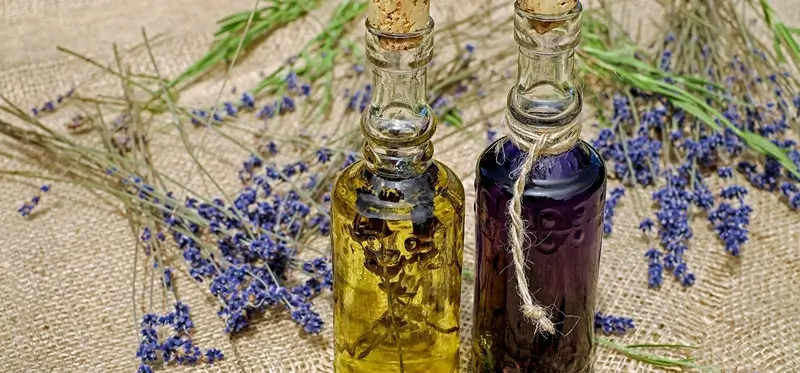
What DIY Natural Skincare Really Means
DIY skincare is not about replacing professional dermatology or making exaggerated promises. At its core, it’s about using simple, well-understood ingredients to create functional products such as soaps, scrubs, creams, oils, and extracts.
Natural skincare recipes typically rely on:
- Plant oils and butters
- Herbs, clays, and powders
- Hydrosols and waters
- Waxes and emulsifiers
- Carefully used essential oils
When combined correctly, these ingredients allow you to create skincare products that are fresh, adaptable, and aligned with your personal preferences.
Who This Guide Is For
This pillar page is intentionally broad, because DIY skincare attracts different kinds of learners.
You’ll benefit from this guide if you are:
- Completely new and unsure where to start
- Curious about making skincare for personal use
- Interested in understanding ingredients before buying products
- Already experimenting but lacking structure
- Planning to move toward more advanced formulations
You don’t need special equipment or prior knowledge to begin. Most techniques build gradually, and many recipes use ingredients that are easy to source.
Understanding the Main Skincare Categories
Homemade skincare works best when approached by category. Each type of product serves a different purpose and uses different techniques. Below is an overview of the core categories you’ll find throughout this website.
How to Make Soaps
Soap making is one of the oldest forms of skincare and remains a popular entry point for DIY enthusiasts.
Soaps are primarily cleansing products, and they can be made using different methods, such as melt-and-pour or cold process. Each approach has its own learning curve and level of customization.
In our How to Make Soaps category, you’ll learn:
- The role of oils and fats in soap
- How cleansing and conditioning balance works
- The difference between gentle and deep-cleansing formulas
- How additives like clays, herbs, and milks affect soap
Soap making teaches foundational skills such as formulation balance, safety awareness, and ingredient interaction — skills that transfer well into other skincare areas.
How to Make Scrubs
Scrubs are exfoliating products designed to remove dead skin cells and refresh the skin’s surface.
DIY scrubs are typically easier to make than soaps and are ideal for beginners. They often combine exfoliating materials (like sugar, salt, coffee, or botanical powders) with oils or emulsifiers.
In the How to Make Scrubs category, you’ll explore:
- Physical exfoliation vs. gentle exfoliation
- Choosing the right scrub texture for face vs. body
- Oil-based vs. emulsified scrubs
- Proper usage frequency to avoid over-exfoliation
Scrubs are a great way to understand how texture, particle size, and oils affect skin feel.
How to Make Body Butters and Creams
Body butters and creams are designed to moisturize, soften, and protect the skin. This category introduces more formulation concepts than soaps or scrubs, especially when water is added to a recipe.
You’ll work with two main product types:
- Body butters – rich blends usually based on plant butters and oils, sometimes whipped or lightly structured
- Creams and lotions – formulas that combine oils and water into a stable mixture using an emulsifier
Because creams contain water, they require more attention to balance, stability, and cleanliness. For many DIY makers, this is the point where skincare becomes more technical — but also more flexible and customizable.
In the How to Make Body Butters and Creams section, you’ll learn:
- How different moisturizing ingredients work together
Some ingredients slow down moisture loss by sealing the skin (occlusives like shea butter or beeswax), others soften and smooth the skin surface (emollients like plant oils), while some help attract and hold moisture (humectants like glycerin or aloe). - Why creams need emulsifiers
Oils and water naturally separate. Emulsifiers — such as emulsifying wax or natural emulsifying blends — allow these ingredients to stay mixed, creating a stable, smooth cream or lotion. - How texture and absorption are adjusted
The choice and ratio of oils, butters, and emulsifiers affects whether a product feels rich, light, fast-absorbing, or more protective. - Why formulation balance and hygiene matter
Creams require clean tools, accurate measurements, and proper storage to remain safe and effective over time.
This category helps bridge the gap between simple oil blends and more advanced DIY skincare, giving you the skills to create products that feel refined while still using natural ingredients.
How to Make Body Oils and Serums
Body oils and serums are among the simplest yet most versatile homemade skincare products.
They usually consist of:
- Carrier oils
- Optional oil-soluble extracts
- Carefully selected essential oils (optional)
In this How to Make Body Oils and Serums category, you’ll learn:
- How to choose oils for different skin types
- Layering oils within a routine
- When simplicity works better than complex blends
- Storage and shelf-life considerations
Body oils and serums are often a comfortable starting point for beginners because they do not involve emulsification. Water-based or mixed serums introduce additional considerations such as preservation and hygiene, which are covered as you progress.
How to Make Extracts
Extracts are concentrated ingredients made by infusing plant material into a solvent such as oil, alcohol, or glycerin.
They are not finished skincare products on their own but act as building blocks for soaps, creams, serums, and more.
In the How to Make Extracts category, you’ll learn:
- Oil infusions vs. alcohol extracts
- How extraction time affects potency
- When to use fresh vs. dried botanicals
- How extracts are incorporated into formulations
Understanding extracts gives you more control over customization and ingredient sourcing.
Why Start with DIY Natural Skincare Recipes?
There are several practical reasons people choose homemade skincare products:
- Transparency: you know exactly what goes into your product
- Customization: formulas can be adjusted for climate, skin type, or preference
- Freshness: small batches reduce long storage times
- Skill-building: understanding formulation improves ingredient literacy
DIY natural skincare recipes also encourage a slower, more intentional approach to personal care.
Ingredient Awareness and Safety Basics
Before making any skincare product, it’s important to understand a few foundational principles:
- Not all “natural” ingredients are automatically gentle
- Essential oils should be used thoughtfully and sparingly
- Patch testing is always recommended
- Clean tools and containers matter, especially for water-based products
This guide assumes a responsible, informed approach, not shortcuts or exaggerated claims.
How to Use This Guide Effectively
This page is not meant to replace individual tutorials. Instead, it helps you:
- Choose the right category to start with
- Understand how different products fit into a routine
- Build skills progressively instead of randomly
Each section above links to detailed step-by-step articles that go much deeper into recipes and techniques.
Once you understand where each product category fits, the next step is learning how to use them together in a way that feels practical and sustainable for everyday life.
Building a Consistent DIY Skincare Routine at Home
Knowing how to make individual DIY skincare recipes is only part of the process. Many beginners create effective products but struggle with when and how to use them consistently, or how to combine them sensibly. Establishing a simple routine helps you get better results while keeping your skincare approach balanced, realistic, and safe over time.
A basic DIY skincare routine usually includes:
- Cleansing
- Occasional exfoliation
- Hydration and moisture
- Targeted treatments (oils, serums, extracts)
You don’t need every product type at once. In fact, starting with fewer, well-made products often produces better results than layering many formulas without purpose.
If you’re also building a complete natural self-care routine, our DIY Haircare guide covers scalp care, hair cleansing, conditioning, and long-term maintenance using similar ingredient principles.
Soaps for Daily Cleansing
Soap is often the foundation of homemade skincare. When made correctly, natural soaps can cleanse without stripping the skin.
Why Homemade Soap Matters
Commercial soaps often rely on harsh surfactants and synthetic fragrances. DIY soap allows you to:
- Control oil quality
- Adjust cleansing strength
- Avoid unnecessary additives
- Customize for different skin types
Common Soap Types You’ll Encounter
- Cold-process soap: Traditional method using oils and lye, cured over several weeks. A calming example is our DIY Cold Process Lavender Soap, which highlights how oil balance and curing time affect gentleness and scent.
- Melt-and-pour soap: Beginner-friendly base with minimal formulation
- Liquid soap: More advanced, using potassium hydroxide
When learning how to make soaps, it’s important to match the recipe to the skin’s needs. High-cleansing formulas may work for body use but can feel drying on the face. Recipes with higher conditioning oils are often better for daily facial cleansing. For example, gentle formulations like our DIY Natural Face Wash for Sensitive Skin focus on mild cleansing while maintaining skin comfort.
Scrubs Without Over-Exfoliating
Scrubs are useful, but they’re also one of the easiest DIY products to misuse.
The Role of Scrubs in DIY Skincare
Scrubs help remove surface buildup and improve skin texture when used correctly. However, too much exfoliation can compromise the skin barrier.
Common Natural Exfoliants
- Sugar (gentler, dissolves during use) — often used in balanced formulas like our Exfoliate and Nourish Your Skin with a DIY Foaming Body Scrub
- Salt (more abrasive, best for body)
- Coffee grounds (energizing, coarse) — featured in recipes such as our Easy DIY Natural Face Scrub with Coffee
- Ground oats or rice (mild, suitable for sensitive skin)
When learning how to make scrubs, focus on:
- Gentle particles
- Proper oil or butter ratios
- Limited use (1–2 times per week)
Scrubs should support the skin, not replace daily cleansing. A well-formulated scrub feels effective without leaving the skin tight or irritated.
Body Butters and Creams for Moisture
Moisturizing is where many DIY skincare recipes shine. Body butters and creams allow for deep nourishment and customization.
Body Butters vs Creams
- Body butters are oil-based and rich, making them especially suitable for very dry skin or colder climates. Recipes like our Moisturizing DIY Emulsified Body Butter Recipe demonstrate how oils and butters can be balanced for deep moisture.
- Creams, on the other hand, contain water and emulsifiers, resulting in a lighter texture that absorbs more quickly. Options such as DIY Rice Cream for Glowing Skin or How To Make Frankincense Cream are good examples of water-based formulations designed for everyday use.
Understanding this difference helps you choose the right product for the right situation. Oil-only products seal moisture, while emulsified creams hydrate and condition at the same time.
Key Ingredients You’ll Work With
- Plant butters (shea, cocoa, mango)
- Liquid oils (jojoba, almond, sunflower)
- Hydrosols or distilled water (for creams)
- Emulsifiers and stabilizers
Learning how to make body butters and creams also means learning balance. A good formula absorbs well, spreads easily, and feels comfortable on the skin.
Body Oils and Serums for Targeted Care
Oils and serums are often the most approachable DIY skincare products, especially for beginners.
Why Oils Are Effective
Plant oils mimic many of the skin’s natural lipids. When chosen carefully, they can:
- Support moisture retention
- Improve skin feel
- Carry active ingredients
Oils vs Serums
In DIY skincare, the terms are often used interchangeably. Generally:
- Body oils are usually simple blends of carrier oils designed to moisturize and protect the skin, such as nourishing facial or lip oils
- Serums, on the other hand, often combine carrier oils with essential oils or oil-soluble extracts for more targeted care, as seen in recipes like our DIY Frankincense Face Serum
When learning how to make body oils and serums, less is often more. Simple formulas are easier to tolerate and easier to adjust if needed.
Extracts for Advanced DIY Skincare
Extracts take DIY skincare to a more advanced level. They allow you to concentrate plant properties and use them across multiple recipes.
Common Types of Extracts
- Oil-based extracts
- Alcohol-based extracts, commonly used to capture resinous or hard plant materials efficiently. For example, our How to Make Alcohol-Based Frankincense Extract shows a simple, controlled method using just two ingredients.
- Glycerin-based extracts
Each type serves a different purpose depending on how it’s made and how it’s used.
Oil-based extracts blend easily into oils, balms, and creams. Alcohol-based extracts are usually more concentrated and are used in smaller amounts for targeted formulations. Glycerin-based extracts offer a gentler option and are often chosen for water-based or sensitive-skin recipes.
Learning how to make extracts requires patience and attention to hygiene, but they greatly expand what you can create at home.
DIY Recipes for Specific Skin Concerns
Beyond daily cleansing and moisturizing, many people explore DIY skincare recipes to support specific skin concerns. These formulas are typically used as part of a routine rather than on their own, and they rely on thoughtful ingredient selection, consistency, and mindful use.
Targeted DIY recipes often take the form of oils, serums, creams, or spot-applied blends. They are designed to complement basic skincare steps, not replace them.
Common focus areas include:
- Uneven skin tone and the appearance of dark spots
- Dry or rough skin texture
- The appearance of cellulite
- Dull-looking or tired skin
For example, gentle formulations such as our Quick DIY Home Remedy for Melasma with Turmeric and Milk are often used to support the appearance of uneven tone, while targeted blends like the DIY Anti-Cellulite Serum: 3 Oils for Powerful Revitalization! are commonly applied to areas where improved texture and firmness are desired.
In these recipes, success comes from simplicity and patience. Using fewer, well-chosen ingredients consistently is usually more effective than layering multiple formulas at once.
As you explore targeted DIY skincare, apply products regularly, observe how your skin responds, and make adjustments gradually. Many of the recipes on this site are designed to fit easily into an existing routine without overwhelming the skin.
Ingredient Selection and Safety Basics
One of the most important parts of DIY skincare is understanding ingredients, not just recipes.
Choosing Quality Ingredients
- Use fresh, cosmetic-grade materials
- Store oils away from heat and light
- Avoid old or rancid ingredients
Patch Testing
Even natural ingredients can cause reactions. Always test new products on a small area before regular use.
Avoiding Over-Formulation
Combining too many active ingredients can overwhelm the skin. A focused recipe is usually more effective than a complex one.
Storage, Shelf Life, and Hygiene
DIY skincare recipes don’t contain the same preservatives as commercial products, which makes proper handling essential.
General Storage Tips
- Use clean, sanitized containers
- Label products with dates
- Store water-based products in the refrigerator if needed
Shelf Life Awareness
- Oil-based products last longer
- Water-containing products spoil faster
- Discard anything that smells or looks off
Good storage practices protect both your skin and the effort you put into making your products.
Common Mistakes Beginners Make
Understanding common pitfalls can save time and frustration.
Some frequent mistakes include:
- Using too many products at once
- Over-exfoliating
- Skipping patch tests
- Chasing trends instead of learning basics
DIY skincare is most successful when approached as a gradual learning process rather than a quick fix.
Moving From Recipes to Skills
The real value of DIY natural skincare recipes isn’t just the finished products — it’s the skills you develop along the way.
Over time, you’ll learn:
- How ingredients behave
- How skin responds to different textures
- How to adjust formulas thoughtfully
This knowledge allows you to customize skincare in a way that store-bought products rarely can.
Final Thoughts on DIY Natural Skincare Recipes
DIY skincare doesn’t have to be complicated to be effective. With a solid understanding of basic formulations, ingredient roles, and routine building, you can create products that feel intentional, practical, and enjoyable to use.
This guide is designed to help you move confidently from simple recipes to a more informed, sustainable approach to homemade skincare — one product at a time.